

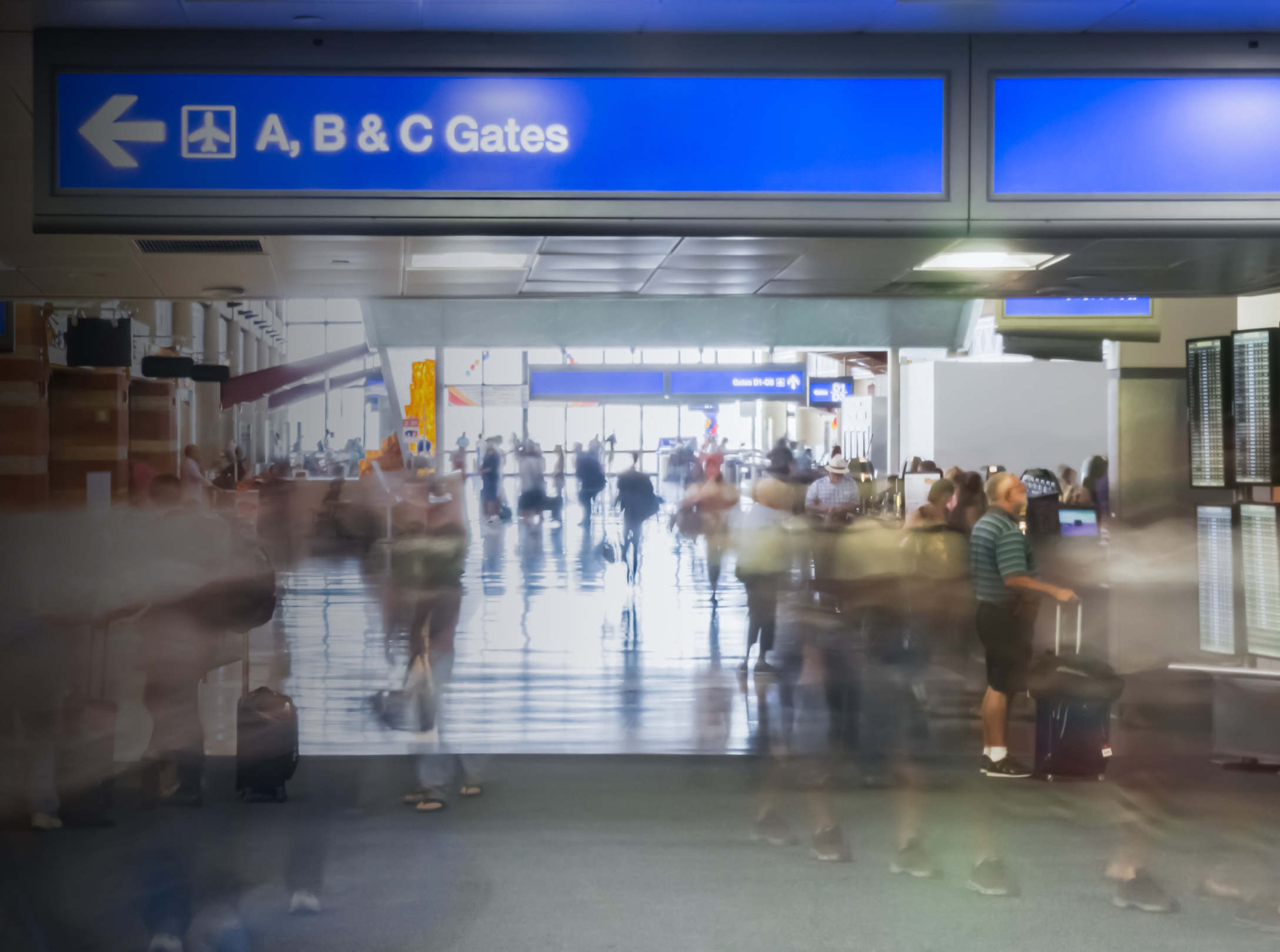
Human trafficking doesn’t happen in the dark. It happens in hotel lobbies, truck stops, shopping centers, and office buildings. It happens in places where security guards stand watch every day. That’s what makes their role so critical.
Defined by the use of force, fraud, or coercion to exploit individuals through commercial sex or forced labor, human trafficking is one of the most pervasive human rights violations of our time. According to the OCCRP, an estimated 50 million people worldwide are currently affected — men, women, and children of every background.
An on-duty guard can be the only person in a position to notice something is wrong.
What to Watch For
The U.S. Department of Homeland Security identifies several key behavioral and situational indicators. Knowing these signs could mean the difference between someone escaping or not.
The person in question may be a victim if they:
- Appear fearful, submissive, or show signs of physical abuse, malnourishment, or disorientation
- Are being thoroughly monitored by another individual, or are prevented from speaking for themselves
- Seems disconnected from family, friends, or any support network
- Cannot produce identification, lack personal belongings, or are being controlled by someone else who holds their ID, passport, or money
The location around you may be a site of trafficking if you notice:
- Unusual traffic patterns, such as frequent visitors entering and exiting at all hours with no clear purpose
These signs rarely appear in isolation. Rely on instincts. If something looks wrong, it probably is.
How to Respond
Do not attempt to intervene directly, as suspected traffickers can be dangerous. Your job is to observe, document, and report.
- Immediate threat: Call 911
- Suspicious activity: Contact the National Human Trafficking Hotline at 1-888-373-7888, or text HELP to 233733
- Immigration-related trafficking: Contact U.S. Immigration and Customs Enforcement (ICE) at 1-866-347-2423
Building a Stronger Response
In high-traffic environments like airports and commercial hubs, security personnel are uniquely positioned to recognize the subtle signs of human trafficking that others might overlook. Investing in training and fostering strong partnerships with law enforcement aren’t just best practices — they’re our responsibility and our opportunity to make a real difference.
— Joshua Ruiz, Senior Vice President, Operations, Inter-Con Security
Security teams that train for this, know the signs, practice the protocols, and build relationships with local law enforcement are far better equipped to act decisively when it counts.
You Are the First Line of Defense
Detecting the warning signs of human trafficking isn’t a specialized skill reserved for law enforcement. It’s something every trained security professional can and should be equipped to do. Because sometimes, the only thing standing between a victim and freedom is someone paying close enough attention.